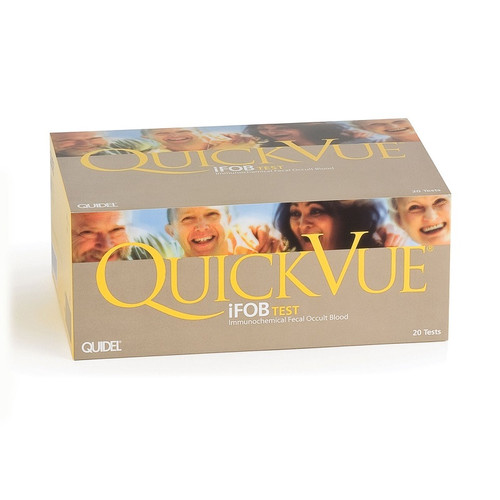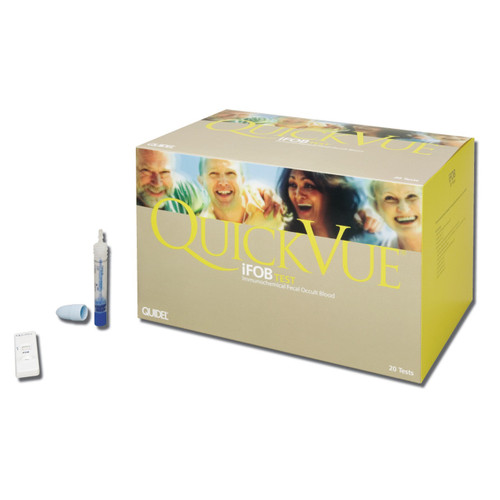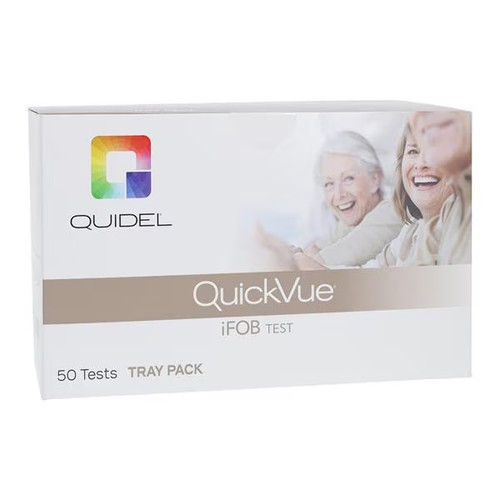

- This diagnostic kit qualitatively detects human hemoglobin in stool specimens, it serves as a vital tool for identifying lower gastrointestinal disorders, such as colorectal cancer, polyps, or diverticulitis
Uses
- Colorectal Cancer Screening:
- Detects hidden blood associated with early-stage malignancies
- GI Disorder Assessment:
- Aids in evaluating gastrointestinal bleeding, ulcers, and polyps
- Point-of-Care Testing:
- Designed for quick evaluation in physician offices, hospitals, and urgent care clinics
Features
- Immunochemical Assay Format:
- Minimizes cross-reactivity by binding strictly to human hemoglobin
- 50-Test Tray Pack:
- Bulk configurations tailored for high-volume clinical testing environments
- Integrated Collection Tube:
- The sample container features a built-in applicator that doubles as a sanitary dispensing tip
- CLIA-Waived Status:
- Cleared for use in diverse healthcare settings with minimal training requirements
- High Analytical Sensitivity:
- Detects low levels of blood down to 50ng hHb/mL of buffer
- Room Temperature Storage:
- Eliminates refrigerator storage needs
Benefits
- No Dietary or Medication Restrictions:
- Patients do not need to avoid red meat, vitamin C, or specific drugs prior to testing, drastically improving patient compliance over traditional guaiac tests
- Single Specimen Requirement:
- Requires only one stool sample instead of multiple collections
- Rapid Actionable Results:
- Delivers clear visual indicators in 5 to 10 minutes, allowing clinicians to test and formulate treatment plans during the same patient visit
- Reduced Human Error:
- A simple one-step lateral flow procedure and visual pictorial guides minimize operator errors
- Enhanced Diagnostic Accuracy:
- Offers a 98% laboratory analytical accuracy, lowering the risk of false positives common with dietary interference