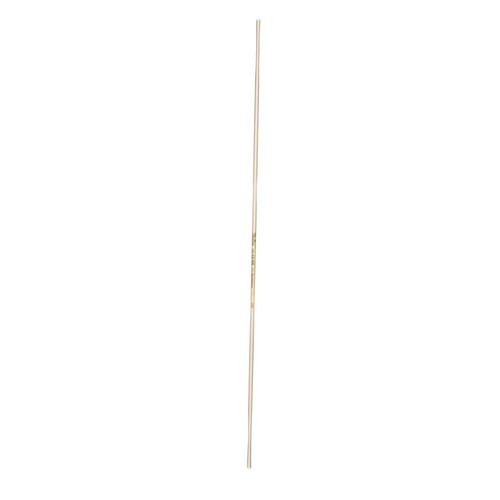

- A 7-inch, double-ended, malleable surgical probe widely used across medical, dental, and veterinary fields for precise probing, exploring wound depths, and tracing anatomical tracts
Uses
- Anatomical Exploration:
- Traces deep sinus tracts, fistulas, and hidden cavities during complex diagnostic procedures
- Wound & Cavity Depth Measurement:
- Gauges the depth and path of puncture wounds or incisions safely without puncturing tissue
- Foreign Object Detection:
- Locates foreign bodies embedded in soft tissue through gentle tactile feedback
- Tissue Separation:
- Elevates or isolates delicate tissue margins and nerves during intricate dissections
- Veterinary Diagnostics:
- Widely utilized in animal health applications to evaluate puncture injuries and dental structures
Features
- Malleable Composition:
- Made of high-grade nickel silver, allowing clinicians to bend and shape the shaft smoothly to match a patient's unique anatomy
- Double-Ended Design:
- Incorporates two distinct, rounded tip configurations on a single handle to eliminate the need for swapping instruments mid-procedure
- Optimal 7-Inch Length:
- Provides a balanced compromise between deep tissue reach and precise tactile fingertip control
- German Craftsmanship:
- Formed by expert craftsmen to ensure smoothly finished, blunt tips that protect delicate tissue from unexpected snags
- Reusable & Non-Sterile:
- Shipped non-sterile to give medical facilities full freedom to use their own customized, automated autoclaving procedures
Benefits
- Enhanced Safety:
- The blunt, smoothly beveled tips prevent accidental tissue perforation while moving through narrow passages
- Exceptional Adaptability:
- Its malleable design can be reshaped repeatedly on the fly, making it perfect for irregular or tortuous anatomical structures
- Cost Efficiency:
- Premium nickel silver construction offers long-lasting corrosion resistance, allowing the instrument to withstand continuous ultrasonic cleaning and sterilization cycles
- Streamlined Workflow:
- The double-ended tips allow the clinician to transition between different probing needs seamlessly, reducing surgical tray clutter