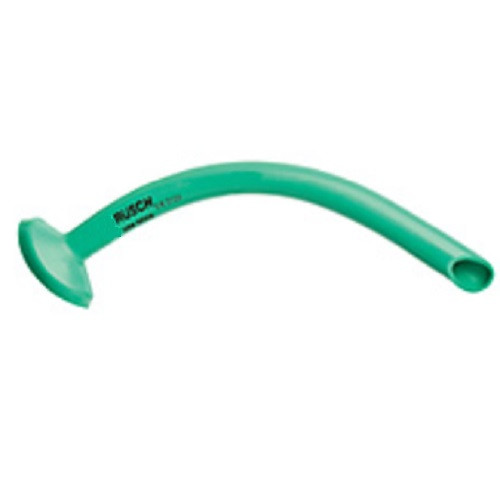
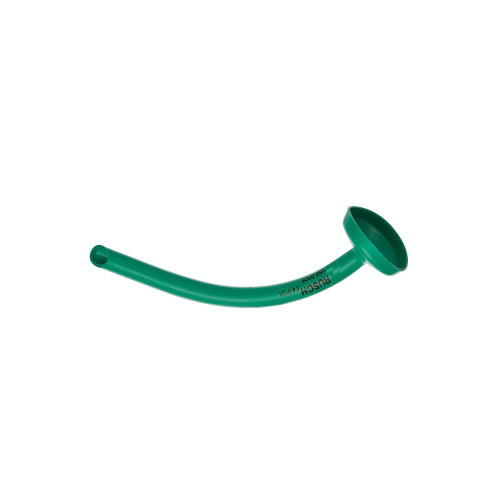
- An emergency medical device is a flexible tube inserted into the nasal passage to secure an open airway and maintain proper ventilation for patients
Uses
- Airway Patency Maintenance:
- Secures an open airway when a patient's tongue or soft palate threatens to block the pharynx due to altered consciousness or anesthesia
- Emergency Trauma Management:
- Utilized by paramedics, military medics, and ER clinicians for rapid airway management when oral access is obstructed by maxillofacial trauma or trismus (lockjaw)
- Post-Anesthesia Recovery:
- Placed during emergence from general anesthesia to support respiratory efforts in semiconscious patients
- Frequent Nasotracheal Suctioning:
- Functions as a protective guide or channel to minimize tissue damage when a patient requires repeated airway suctioning
Features
- Mediprene™ Material Construction:
- Fabricated using advanced, medical-grade thermoplastic elastomer that provides excellent structural flexibility.
- 100% Latex-Free:
- Free of natural rubber latex, eliminating the risk of severe allergic reactions in sensitive patients or practitioners.
- 30 French Sizing Profile:
- Features a standard 30 Fr outer diameter (10.0mm O.D.) and a pre-cut length of 127mm, explicitly sized for adult patient anatomy.
- Flanged Trumpet Design:
- Formed with a wide, flared top collar that prevents the tube from migrating deep into or slipping completely down the nasal cavity.
- Beveled & Rounded Tip:
- The inserting end features an angled bevel and smooth, rounded edges designed for gentle navigation through the nasal mucosa.
- Sterile Packaging:
- Individually wrapped, sterile, and single-use to ensure optimal clinical hygiene and avoid cross-contamination.
- Lubricant Pack Included:
- Boxes shipped as an "Emergency Pack" version include foil sachets of water-soluble sterile lubricating jelly to streamline rapid field deployment. [1, 2, 3, 4, 5, 6]
Benefits
- Minimizes Mucosal Trauma: The soft, flexible Mediprene composition bends naturally to conform to individual nasal passages, drastically reducing the risk of nosebleeds (epistaxis) or tissue punctures upon insertion. [1, 2]
- High Patient Tolerance: Significantly more comfortable and less likely to trigger a gag reflex compared to oral (oropharyngeal) airways, allowing it to stay safely in place as patients wake up or regain consciousness.
- Reliable Field Security: The integrated trumpet flange holds the device flush against the nostril, giving emergency teams confidence that the tube will not shift during patient transport. [1, 2]
- Rapid Field Deployment: The pre-lubricated kit enables immediate, high-stress placement without needing separate gel supplies, saving valuable seconds in critical breathing emergencies