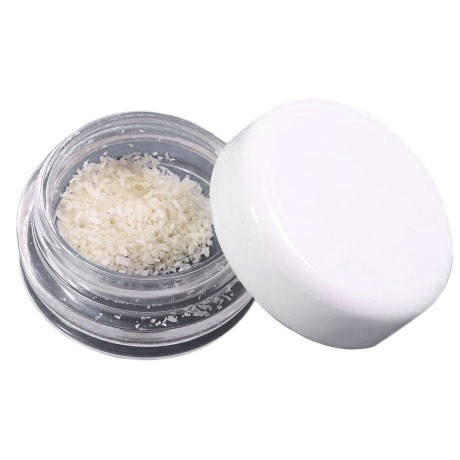
- A versatile "all-purpose" bone graft and because of its small grain size, it is easier to pack into tight spaces and contours than large-particle alternatives
Uses
- Small Socket Preservation:
- Specifically for single-rooted teeth (incisors/premolars) where space is tight
- Infrabony Defects:
- Filling narrow "pockets" around a tooth caused by periodontal disease
- Gaps around Implants:
- Filling the "jump distance" or small voids between an immediate implant and the natural bone
- Dehiscence/Fenestration:
- Repairing small areas where the root or implant has "peeked through" the bone wall
Features
- Small Particle Size (250–1000µm):
- Fine granules provide a higher surface area for faster cellular attachment
- Mineralized (FDBA):
- Maintains volume and provides a clear radiographic (X-ray) signature for tracking
- 50/50 Cortical/Cancellous Blend:
- Balances the strength of cortical bone with the high-speed healing of cancellous bone
- Ease of Handling:
- Small particles create a "sandy" texture that is much easier to mold and condense into irregular shapes
Benefits
- Increased Surface Area:
- More surface area per cc compared to large particles means faster interaction with the patient's cells
- Tighter Packing:
- Small grains can be packed densely to ensure there are no air pockets or gaps in the graft site
- Optimal Space Maintenance:
- Despite the small size, the mineralized cortical component prevents the graft from shrinking during the early healing phase
- Patient Safety:
- Sterilely processed to the highest standards, eliminating the need for autologous harvesting