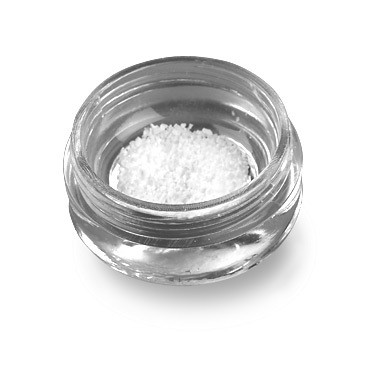
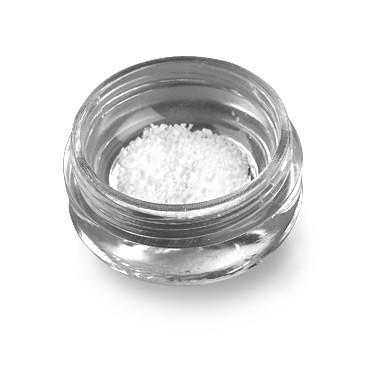
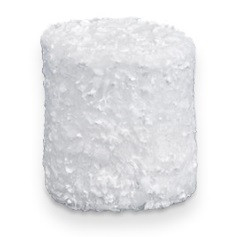
- An osteoconductive, synthetic calcium phosphate-based bone graft material, available in a granular form (0.35–1.0 mm) with a 0.5cc (0.25g) volume per unit, designed to act as a scaffold for new bone growth and is used as a synthetic alternative to human allografts and animal-derived xenografts
Uses
- Alveolar Ridge Augmentation:
- Augmentation or reconstructive treatment of the alveolar ridge
- Socket Preservation:
- Filling of extraction sockets to preserve the ridge
- Periodontal Defects:
- Filling of periodontal defects, often in conjunction with guided tissue regeneration (GTR)
- Sinus Lift:
- Elevation of the maxillary sinus floor
- Bone Void Filling:
- Filling of osseous defects, including those resulting from root resection, apicocectomy, and cystectomy
Features
- Structure:
- It has a carbonate apatite structure, which closely mimics natural bone, supporting biocompatibility and a balanced resorption/remodeling profile
- Material:
- It is a synthetic mineral, providing a consistent, highly pure alternative to allografts and xenografts
- Particle Size:
- The granules are sized between 0.35 - 1.0mm, making them ideal for handling and packing into defects
- Osteoconductive:
- The porous structure supports the infiltration of bone-forming cells and new bone formation
- Resorbable:
- The material is gradually resorbed and replaced by natural bone during the healing process
Benefits
- High Performance:
- Provides an alternative to human or animal-origin materials with similar clinical results
- Predictable Regeneration:
- Its structural similarity to natural bone promotes effective remodeling
- Ease of Use:
- The granules allow for easy placement and adaptation within the defect site
- Improved Safety Profile:
- As a synthetic material, it eliminates the risks associated with xenografts or allografts
- Sterile:
- It is a sterile, non-pyrogenic material