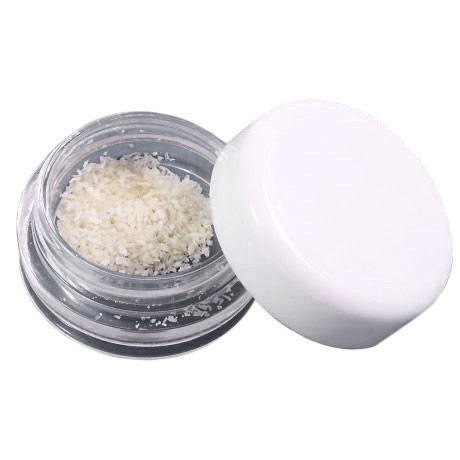
- A blend of bone particles used in dental procedures to regenerate lost bone and maintain the structure of the jaw; by combining 50% cortical and 50% cancellous bone, it provides a balance between structural stability and rapid healing
Uses
- Extraction Site Preservation:
- Used to fill a socket immediately after a tooth is pulled to prevent bone shrinkage
- Implant Placement:
- Builds up bone density and volume to support dental implants
- Ridge Augmentation:
- Restores the width and height of the alveolar ridge for better aesthetics and support
- Sinus Lifts:
- Used as a filler to increase bone volume in the upper jaw
- Periodontal Repair:
- Treats defects caused by gum disease to save existing teeth
Features
- Dual-Bone Blend:
- Mixes dense cortical bone for space maintenance with porous cancellous bone for faster remodeling
- Demineralized (DFDBA):
- Removing minerals exposes bone morphogenetic proteins (BMPs), which help stimulate new bone growth (osteoinduction)
- Optimal Particle Size:
- The 250–1000 µm granule size is designed for easy handling and predictable integration
- Safe Allograft:
- Sourced from human tissue through stringent screening, eliminating the need for a second surgical site on the patient
Benefits
- Faster Remodeling:
- The cancellous portion allows for rapid blood infiltration and cellular ingrowth
- Complete Integration:
- Typically remodels into the patient’s own vital bone within 4 to 6 months
- Patient Comfort:
- Eliminates the pain and potential complications of harvesting bone from the patient's own hip or jaw
- Volume Stability:
- The cortical bone acts as a scaffold, maintaining the necessary space so the graft doesn't collapse during healing