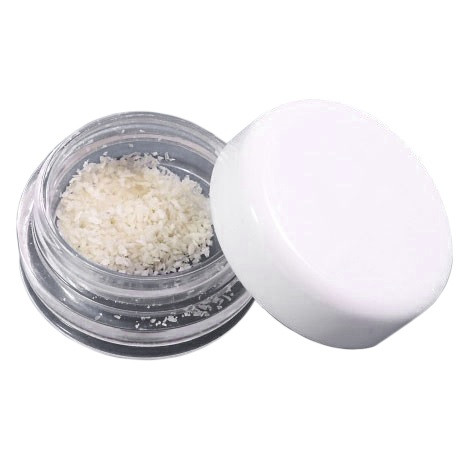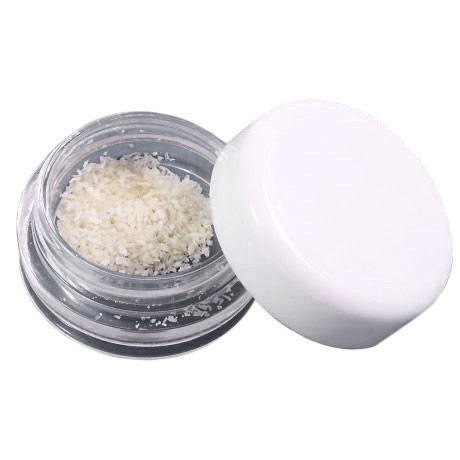

- A mineralized cancellous allograft particulate used in dental bone grafting and regenerative procedures refers to a 0.5 cc (0.5 mL) volume with a particle size range of 250–1000 microns
Uses
- Socket Preservation:
- Filling the void after a tooth extraction to maintain bone volume for future implants
- Ridge Augmentation:
- Increasing the width or height of the alveolar ridge
- Sinus Lifts:
- Providing a scaffold for new bone growth in the maxillary sinus
- Periodontal Defects:
- Repairing bony pockets around natural teeth caused by gum disease
Features
- 100% Human Allograft:
- Sourced from screened donors, providing a natural biological match
- Cancellous Structure:
- The porous, "spongy" nature of the bone mimics human architecture for better integration
- Mineralized Particulate:
- Retains its natural minerals to provide structural stability during the healing phase
- 250–1000µm Particle Size:
- An ideal range that balances space-maintenance with rapid revascularization
Benefits
- Osteoconductive Scaffold:
- Acts as a high-quality framework that allows the patient's own bone cells to migrate and grow
- Predictable Remodeling:
- Resorbs at a controlled rate, eventually being replaced by the patient’s own healthy living bone
- High Porosity:
- The open structure allows for fast blood vessel infiltration, which is critical for successful grafting
- Safety & Sterility:
- Processed using rigorous cleaning protocols and sterilized via gamma irradiation to ensure patient safety
-
Remodeling:
- Often preferred for its fast remodeling compared to cortical bone, making it excellent for sites where you want quicker turnover into host bone in 3 to 5 months
- Standards:
- It is manufactured in facilities that are FDA registered and AATB accredited (American Association of Tissue Banks)
- Sterilization:
- The material undergoes rigorous screening and is typically sterilized using gamma irradiation to ensure safety