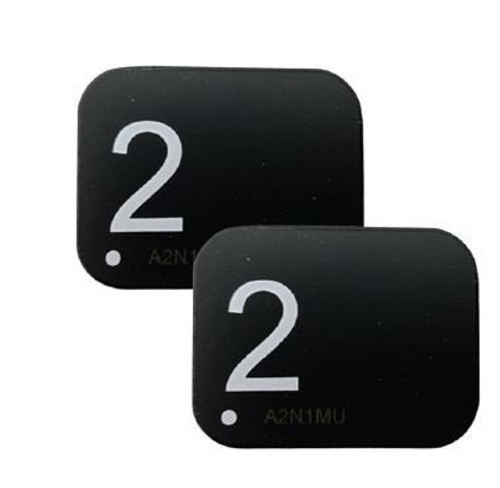
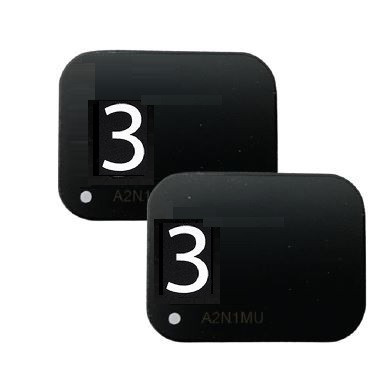
- A wireless, reusable digital receptor used in radiography systems to capture high-resolution dental X-rays, specifically, the Size #0 is designed for pediatric patients or adults with very small mouths to ensure a comfortable fit during imaging
Uses
- Pediatric Radiography:
- Size #0 is the standard for small children, providing enough surface area to capture developing teeth while remaining small enough for their mouths
- Digital Diagnostics:
- Used with a digital radiography system to capture, store, and analyze images of dental structures for treatment planning
- Clinical Settings:
- Applied in private practices, dental clinics, and specialized environments like orthodontics or oral surgery for routine bitewing or periapical X-rays
Features
- Wireless Design:
- Unlike hard digital sensors with cables, these plates are independent, making them easier to position in the mouth
- Thin Profile:
- They are as thin as a business card and highly flexible, which significantly reduces patient discomfort compared to rigid sensors
- High Reuse Rate:
- Each plate is durable and typically guaranteed for up to 500 uses, providing a cost-effective long-term solution
- Normal Light Operation:
- Designed to be handled in normal room lighting, eliminating the need for a traditional dark room for processing
- Fast Image Acquisition:
- Diagnostic-quality images are rendered and available on a computer screen within seconds after scanning
- Compatibility:
- Precision-engineered to integrate seamlessly with Air Techniques digital radiography systems
Benefits
- Economical:
- Reduces overhead costs by being reusable and eliminating the need for X-ray film or chemical processing
- Enhanced Patient Comfort:
- The small size and flexible material prevent the gagging or "poking" sensation often associated with larger, hard sensors
- Streamlined Workflow:
- Instant digital retrieval allows for faster consultations and better productivity within the clinic
- Safety:
- Provides high-quality images while requiring minimal radiation exposure for the patient compared to older film-based methods